



In this post, I’ve come up with another simple Kitchen Hack; you will learn how to store fresh lemon juice. Lemons are an indispensable staple in every kitchen, adding brightness, tang, and vital nutrients to everything from morning detox drinks to rich, savory curries. However, fresh lemons often go soft, dry out, or catch mold in the refrigerator within a couple of weeks. When citrus prices surge during off-seasons, having a ready supply of pure, fresh lemon juice in your kitchen can save both money and cooking time.
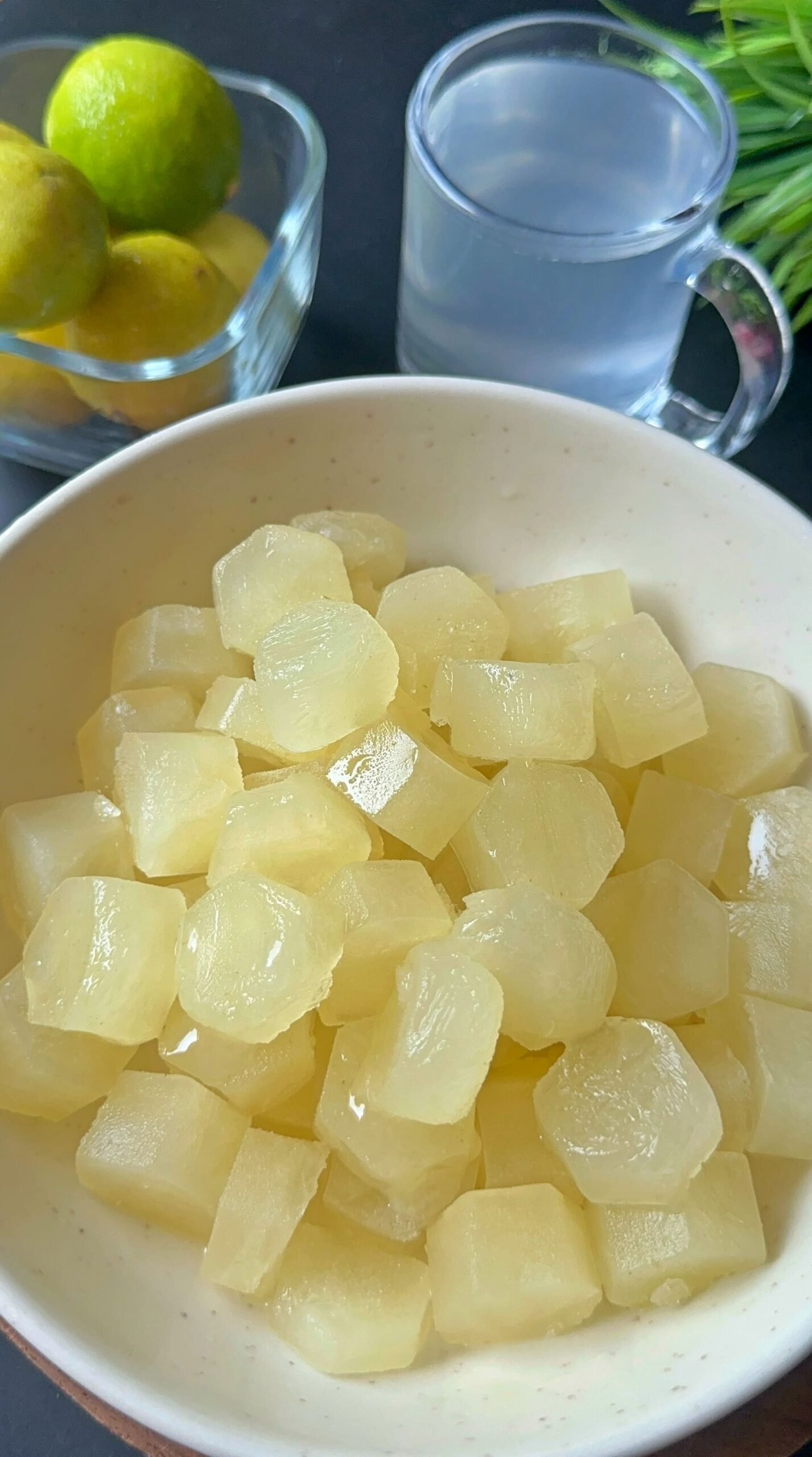
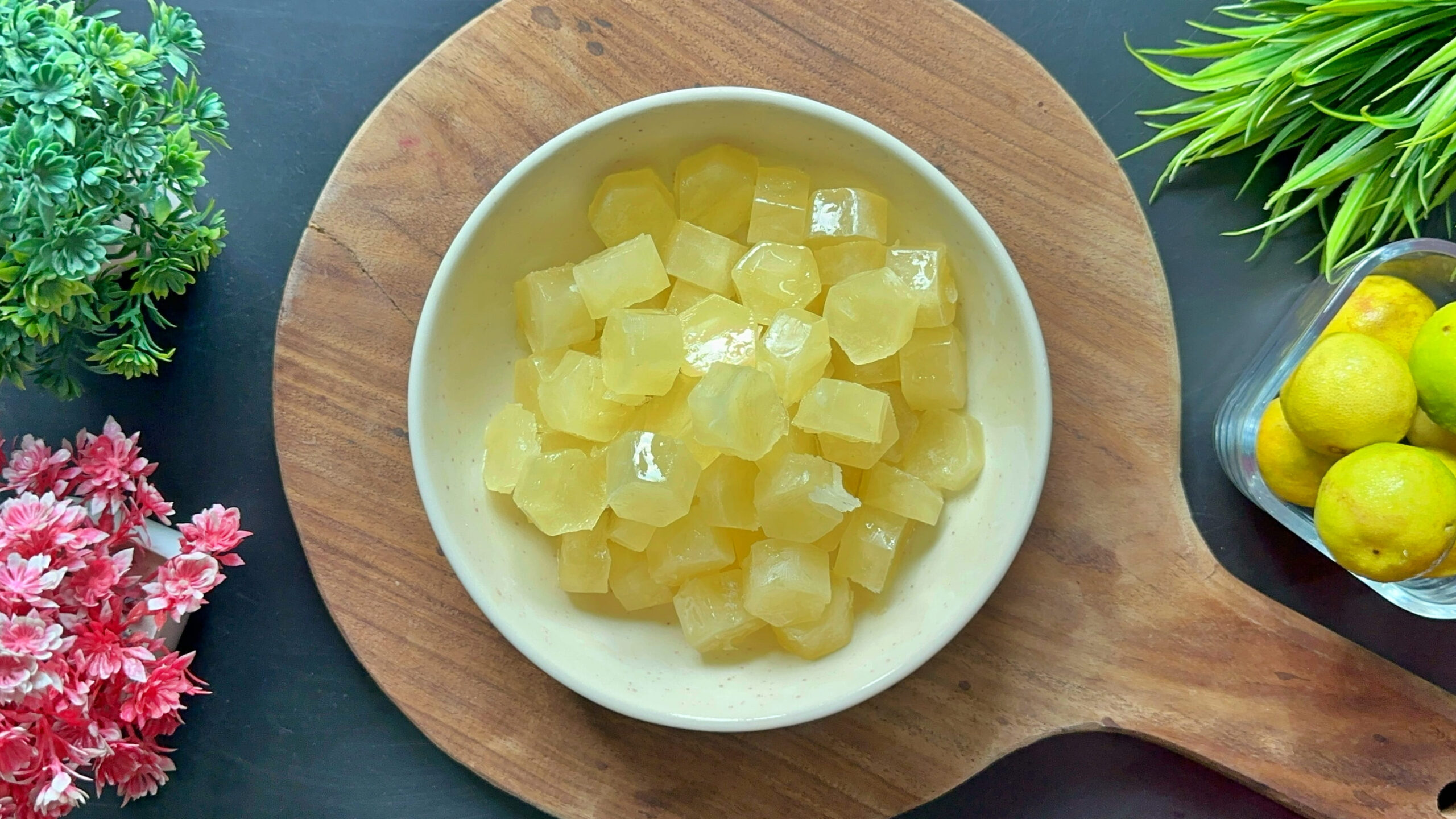
At Aayansh Kitchen, we have perfected a hassle-free, practical preservation method that locks in all the natural flavor, aroma, and nutrients of fresh lemon juice for a long time – 6 months minimum. By turning fresh juice into pre-portioned ice cubes, you get convenient, instant access to pure lemon juice whenever a recipe calls for it—without adding artificial preservatives or store-bought concentrates.
Also, check out other simple Kitchen Hacks such as How To Store Fresh Blueberries, How To Store Coriander Leaves, How to store Amla Juice, Sun Dried Tomatoes Recipe, How to Sprout Mung Beans, How to store Strawberries, How To Make Kasuri Methi, and How to make Frozen Sweet Corn.
Please rate and leave a comment or feedback if you like the recipe. Also, subscribe to the Recipe Newsletter. Also, follow me on Facebook, Instagram, and YouTube.
- Storing Lemon Juice Recipe Ingredients
- Why Freezing Pure Lemon Juice Works Best
- Store Fresh Lemon Juice Recipe Video
- Step-by-Step Guide: Store and Preserve Lemon Juice for Months
- How to Use Frozen Lemon Juice Cubes Daily
- Zero-Waste Kitchen: Clever Ways to Repurpose Leftover Lemon Peels
- Nutritional Value
- Frequently Asked Questions (FAQ)
- Recipe Card
- Store Fresh Lemon Juice
Storing Lemon Juice Recipe Ingredients
- Fresh Lemons
Why Freezing Pure Lemon Juice Works Best
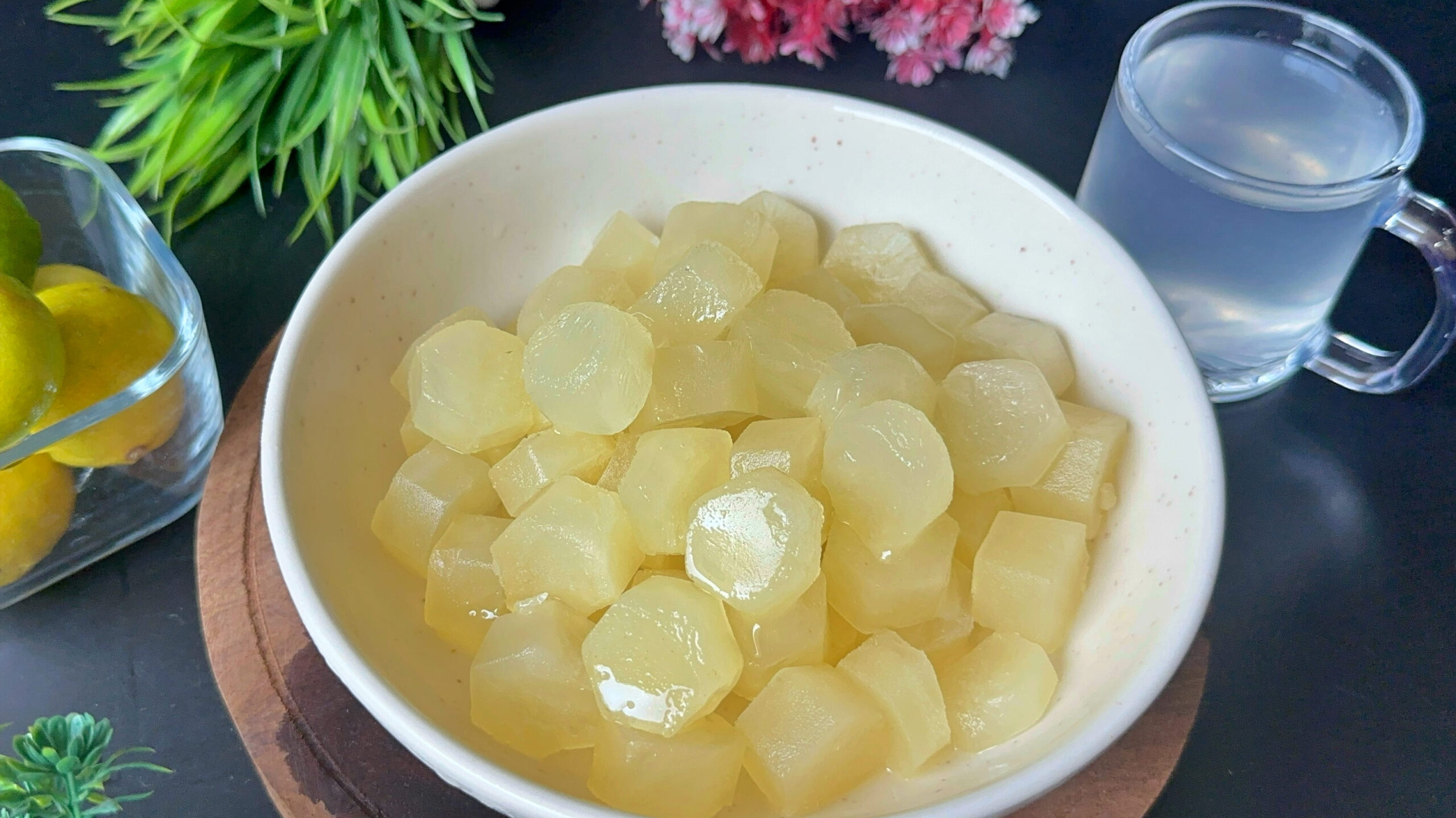
Store-bought lemon juice bottles are often packed with additives, sodium benzoate, or added water that dulls the natural zing of fresh fruit. Traditional refrigeration only delays decay by a week or two. Freezing raw juice into solid cubes halts enzyme activity and bacterial oxidation completely, preserving the natural citric acid, vibrant citrus notes, and essential antioxidants.
Because each standard ice cube mold holds approximately 1 teaspoon (5 ml) of liquid, this method also doubles as an easy meal-prep hack. You can toss a cube directly into soups, salad dressings, sauces, or warm water without needing to thaw or measure beforehand.
Store Fresh Lemon Juice Recipe Video
Step-by-Step Guide: Store and Preserve Lemon Juice for Months
Follow these four simple steps to ensure your lemon juice stays as fresh on day 365 as it was on day one.
Step 1: Preparation & Moisture Elimination
Thorough Washing: Start by washing your fresh lemons thoroughly under running tap water to remove any surface dirt, wax, or debris.
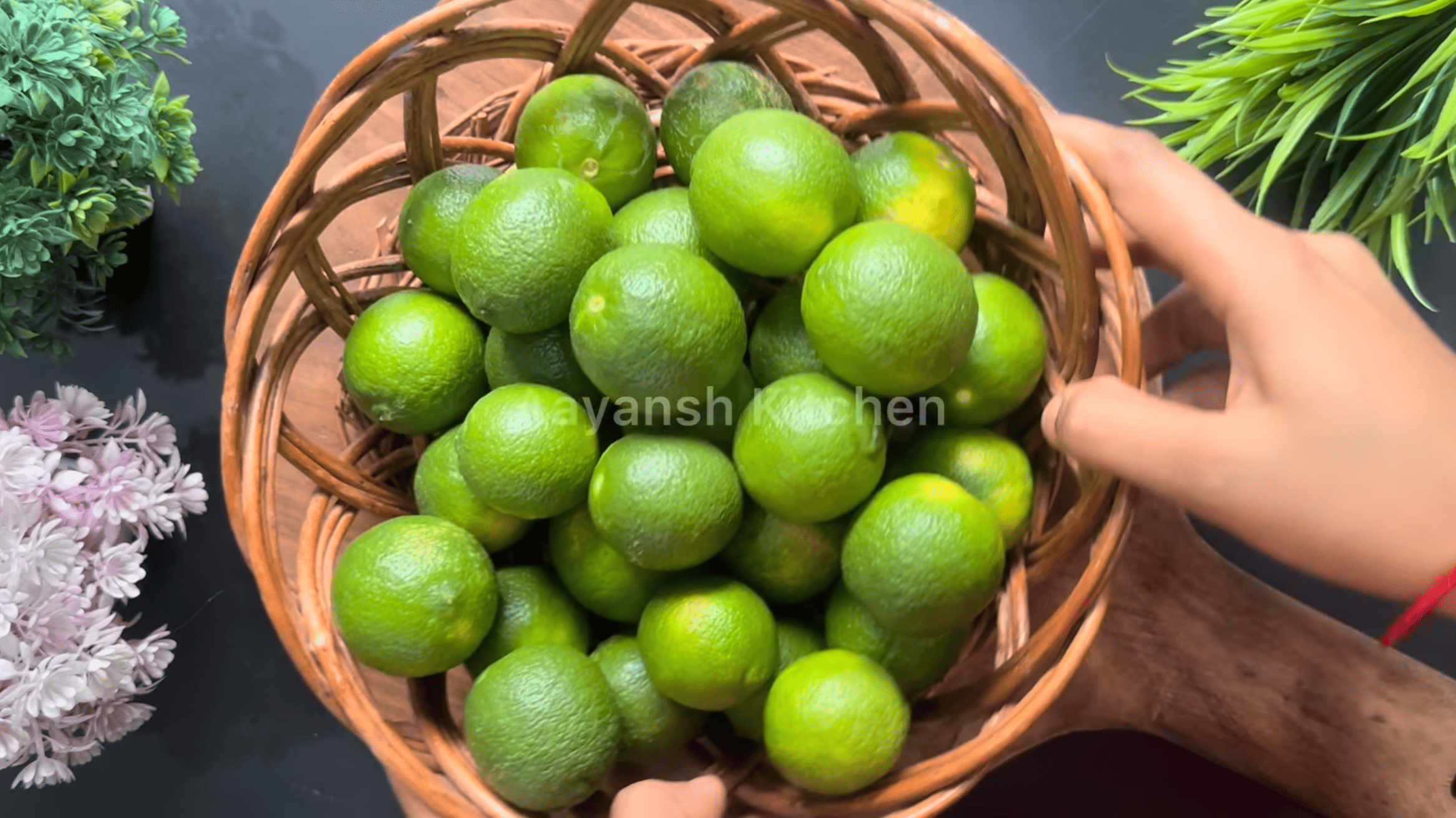
Complete Drying: This is the most crucial part of preparation—pat each lemon completely dry using a clean kitchen towel or paper towel. Leave them on the counter for a few minutes to ensure no moisture remains on the outer rind.
Slicing: Cut the lemons cleanly into halves using a dry knife and dry cutting board.
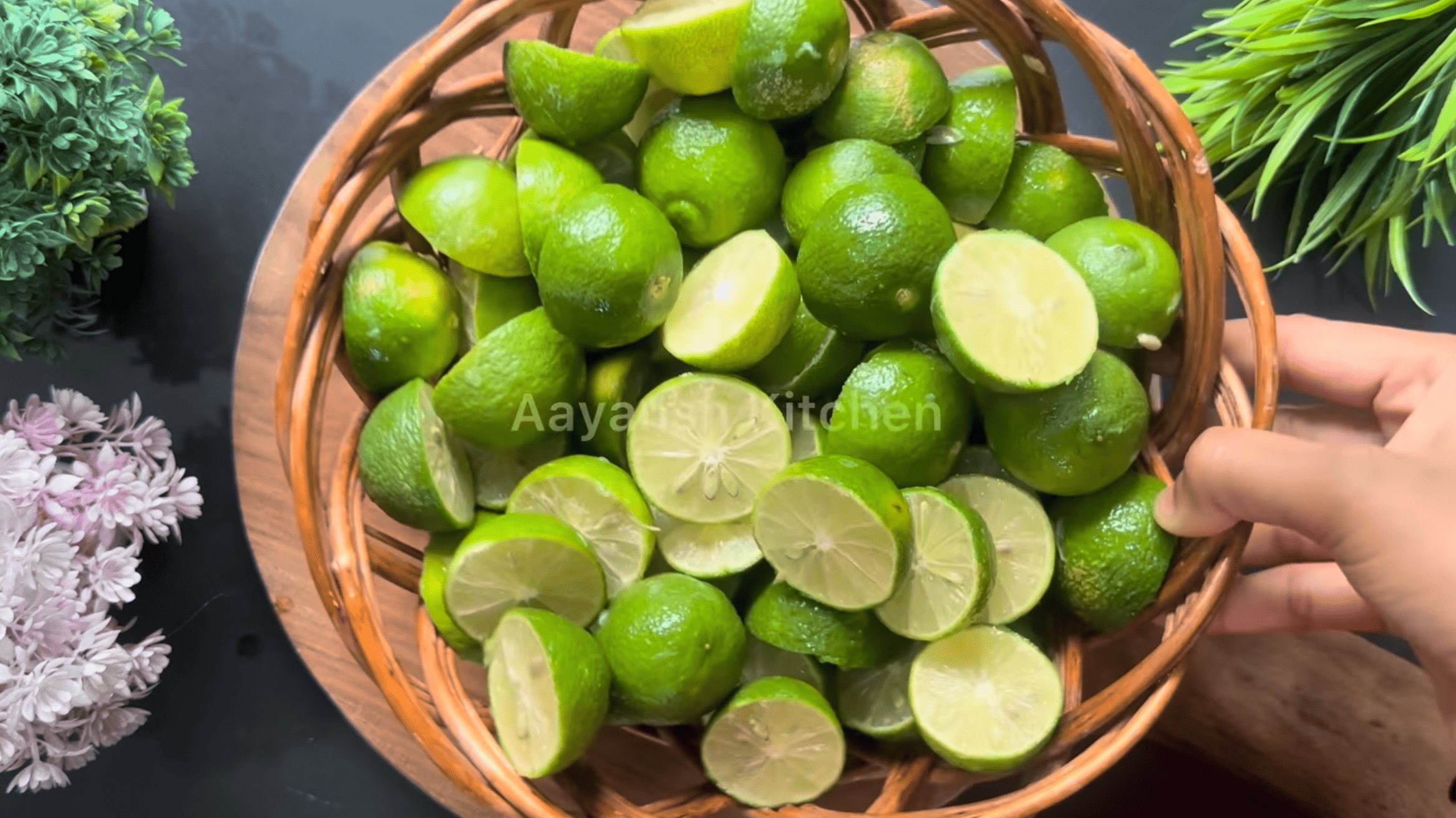
Pro Tip: Water is the primary cause of freezer burn and spoilage in preserved citrus. Keeping all utensils, bowls, and hands 100% dry throughout the extraction process is key to long-term storage.
Step 2: Juice Extraction & Straining
Squeezing: Take a completely dry glass bowl or a stainless steel glass and squeeze the lemon halves into it using a manual citrus juicer or your hands. Place a fine mesh dry strainer over the bowl to catch all the seeds and pulp chunks.
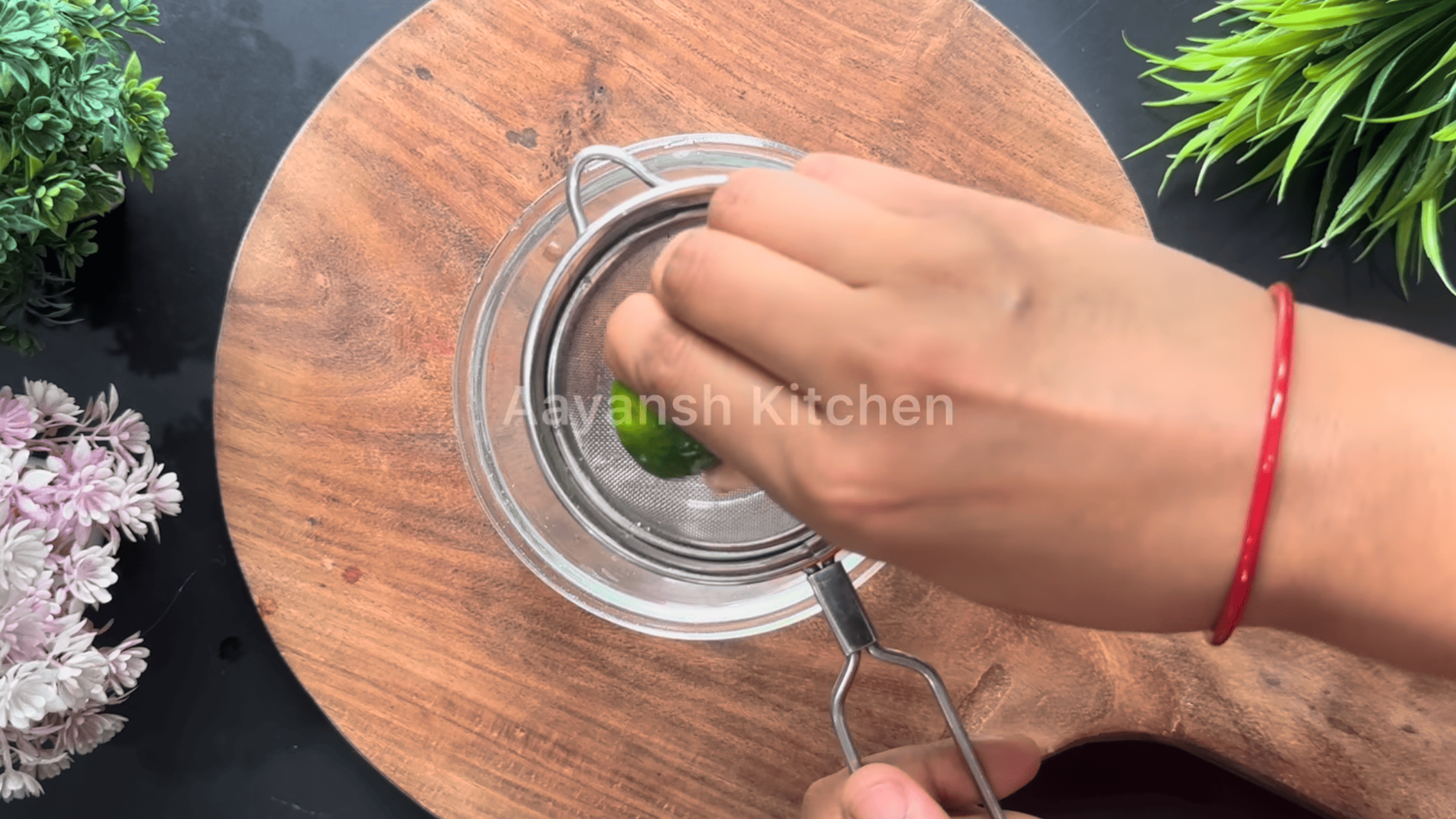
Collecting Juice: In the same manner, collect all the juice in the bowl.
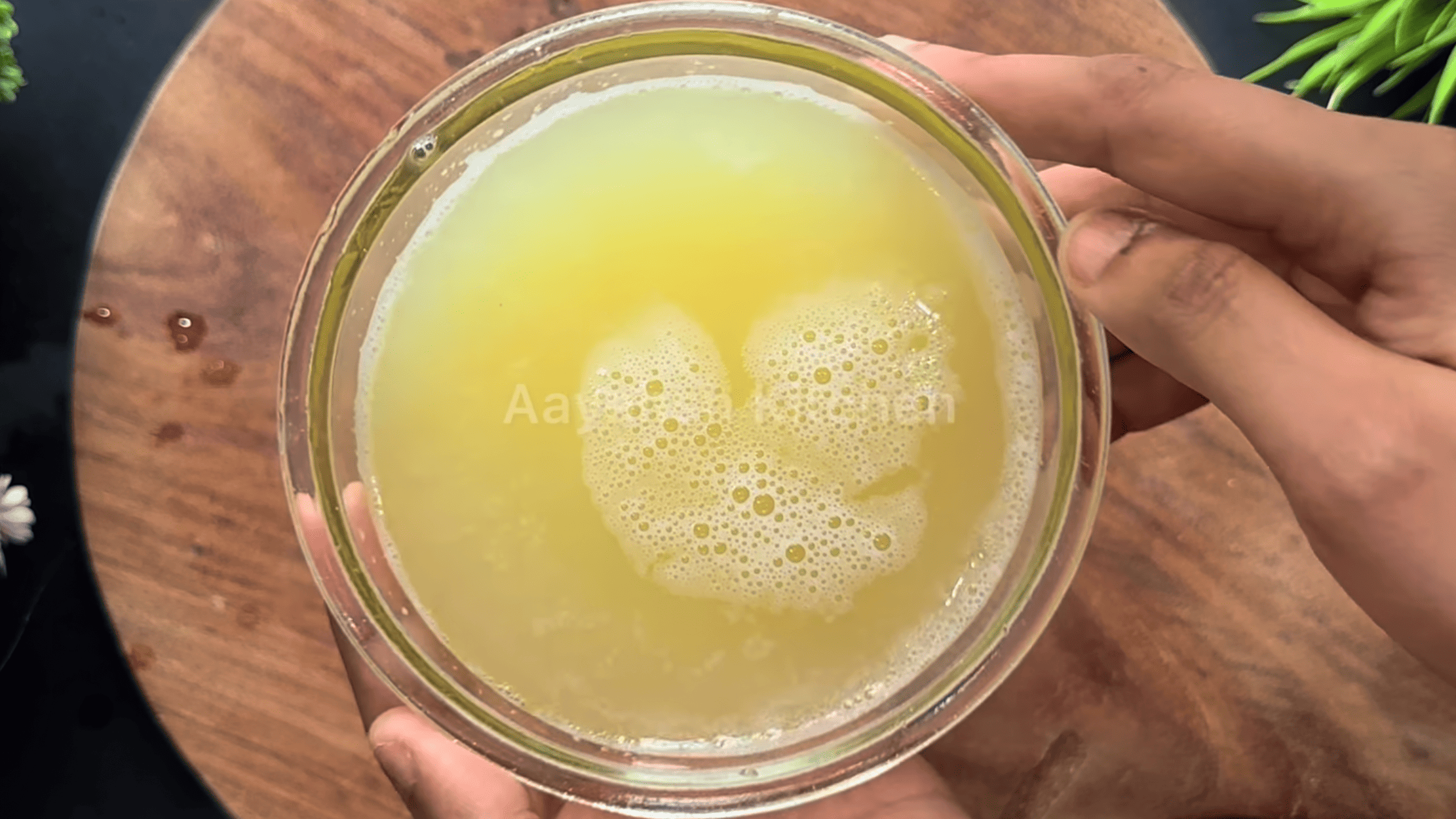
Step 3: Flash Freezing
Filling the Tray: Carefully pour the strained fresh juice directly into clean, dry silicone or plastic ice cube trays.
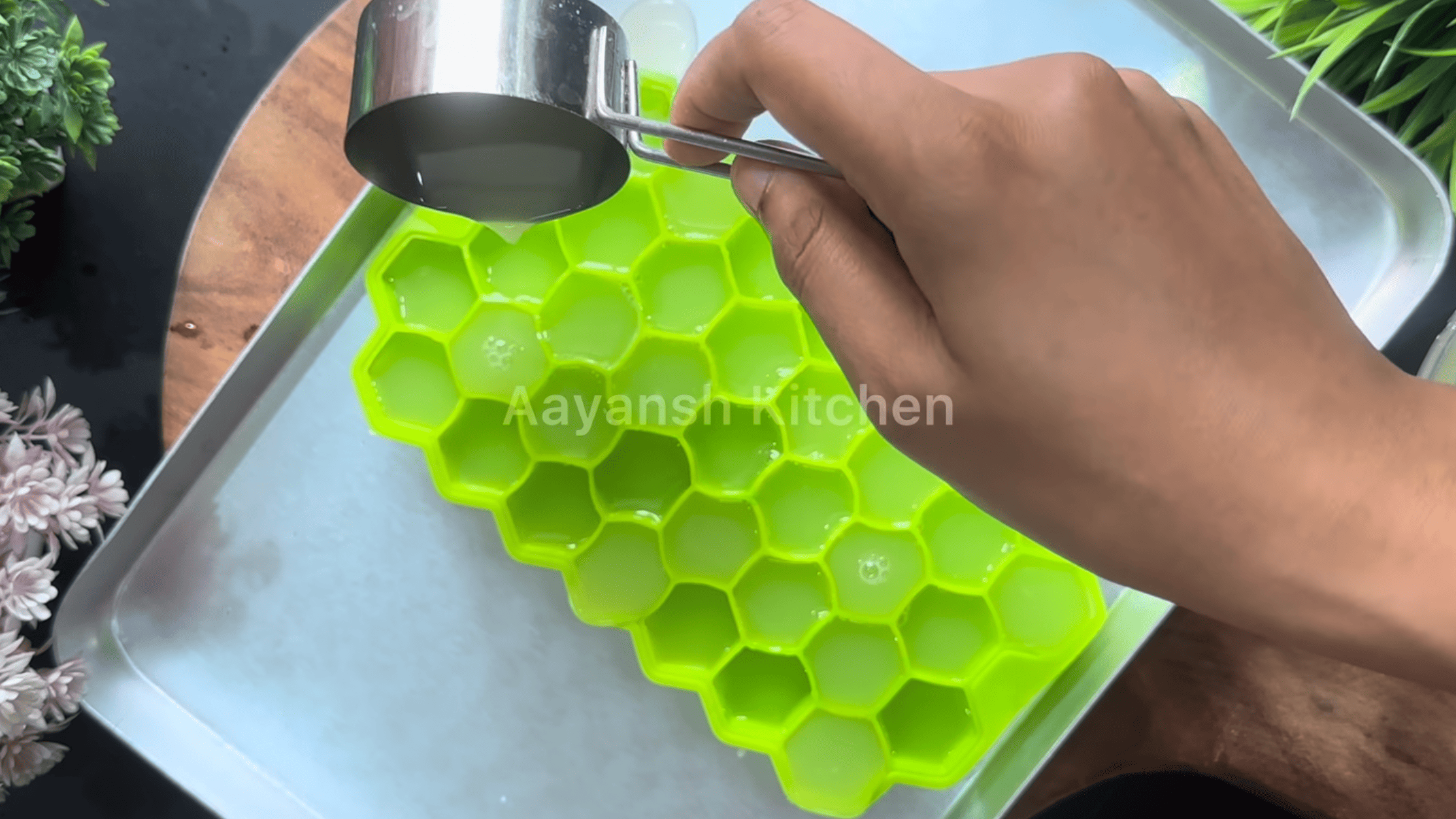
Overnight Set: Place the tray on a level surface inside your freezer and let it sit undisturbed overnight (or for at least 8 to 10 hours) until the cubes are fully solid.
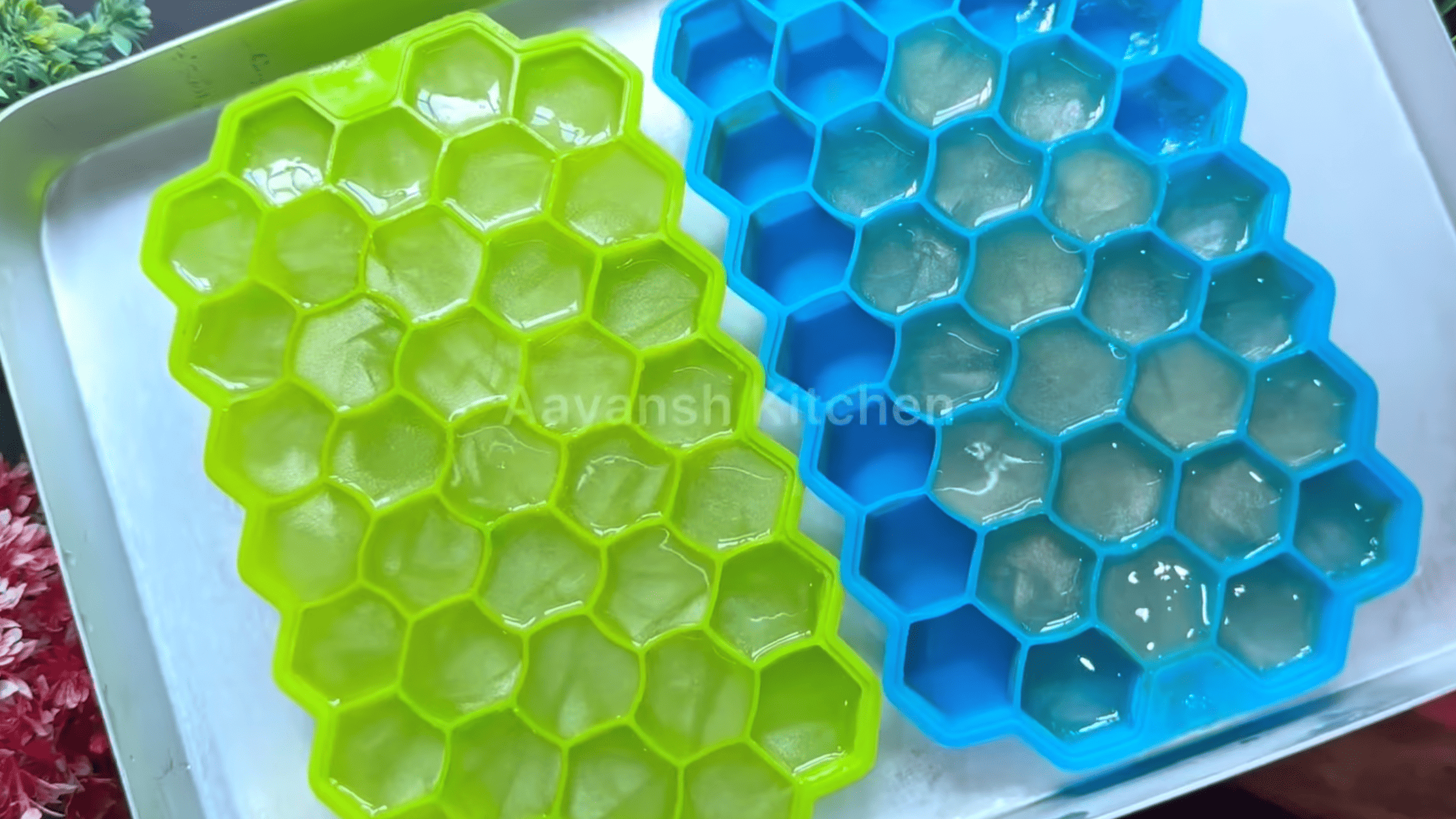
Step 4: Long-Term Airtight Storage
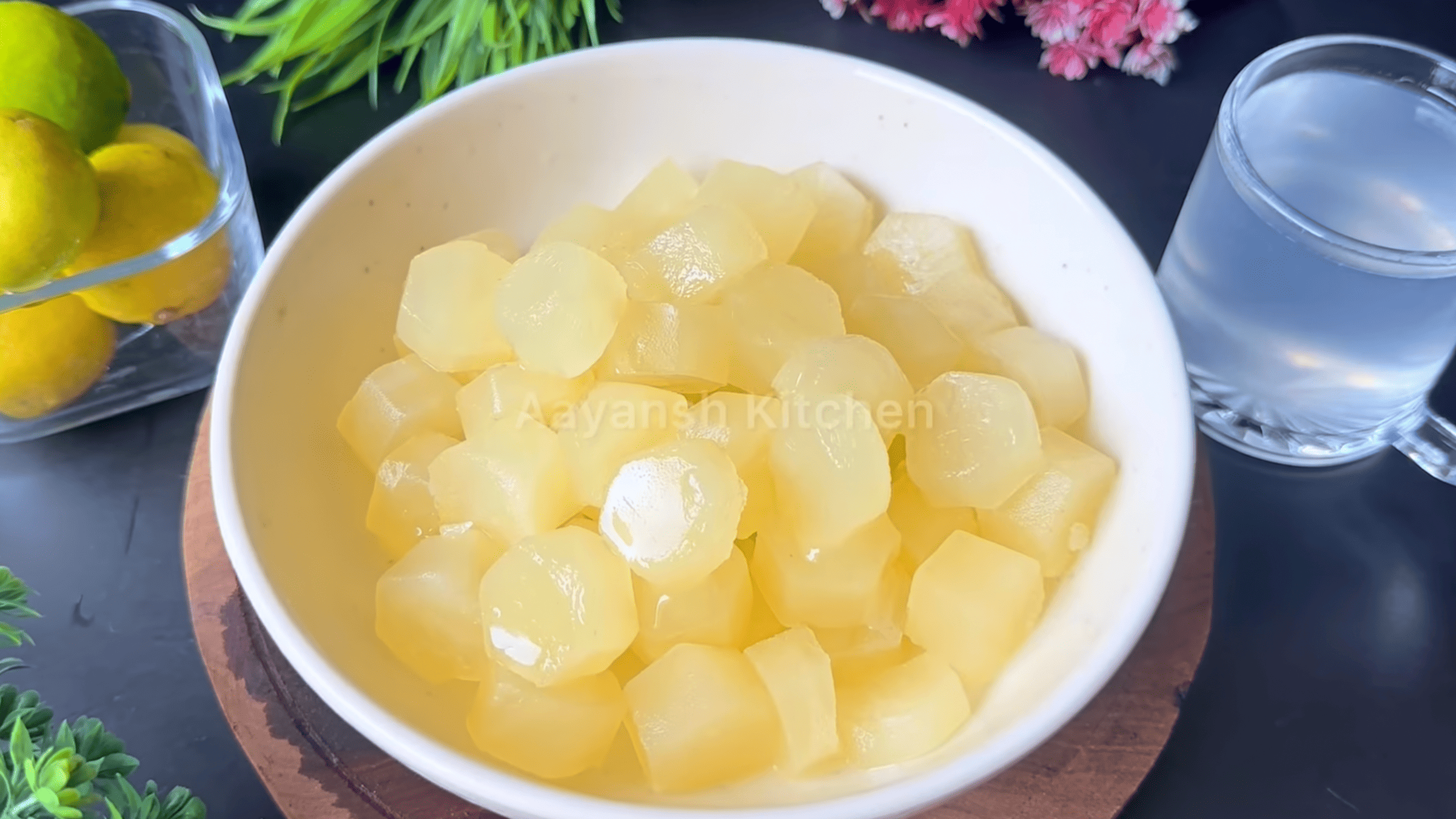
Demolding: Once the lemon juice cubes are fully set, pop them out of the ice tray.
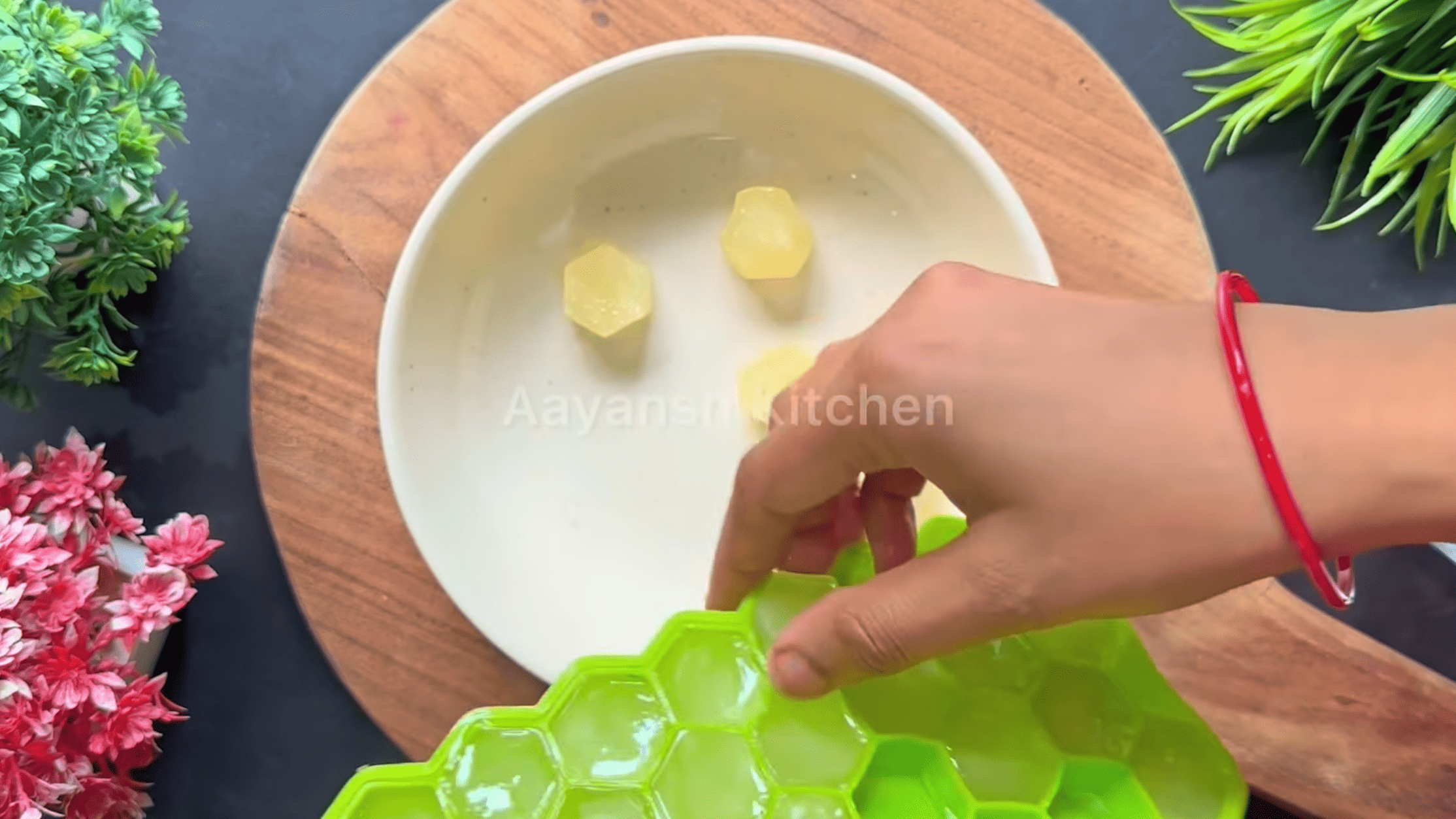
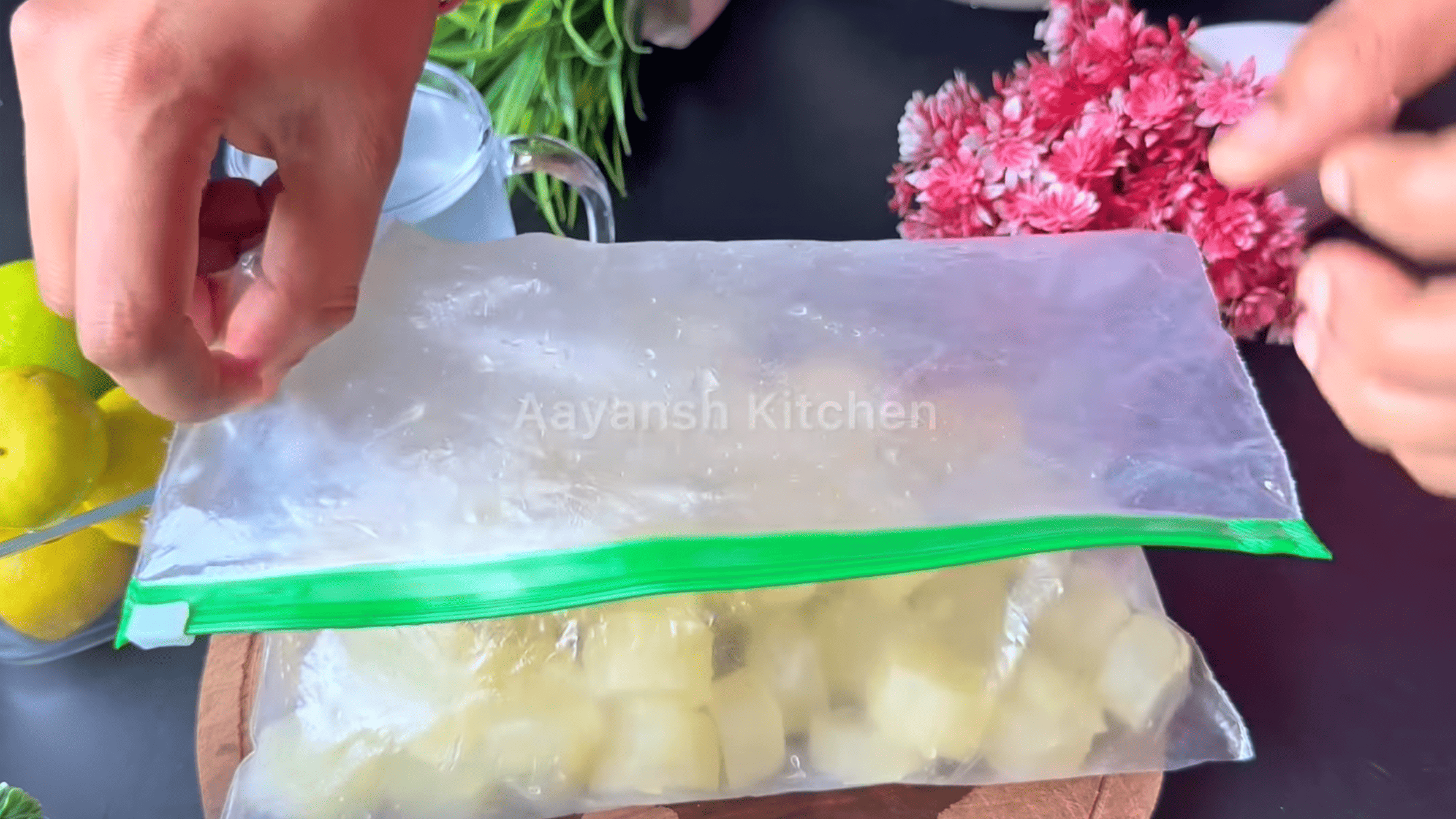
Sealing: Immediately transfer the frozen cubes into an airtight freezer-safe container or a heavy-duty Ziploc freezer bag.
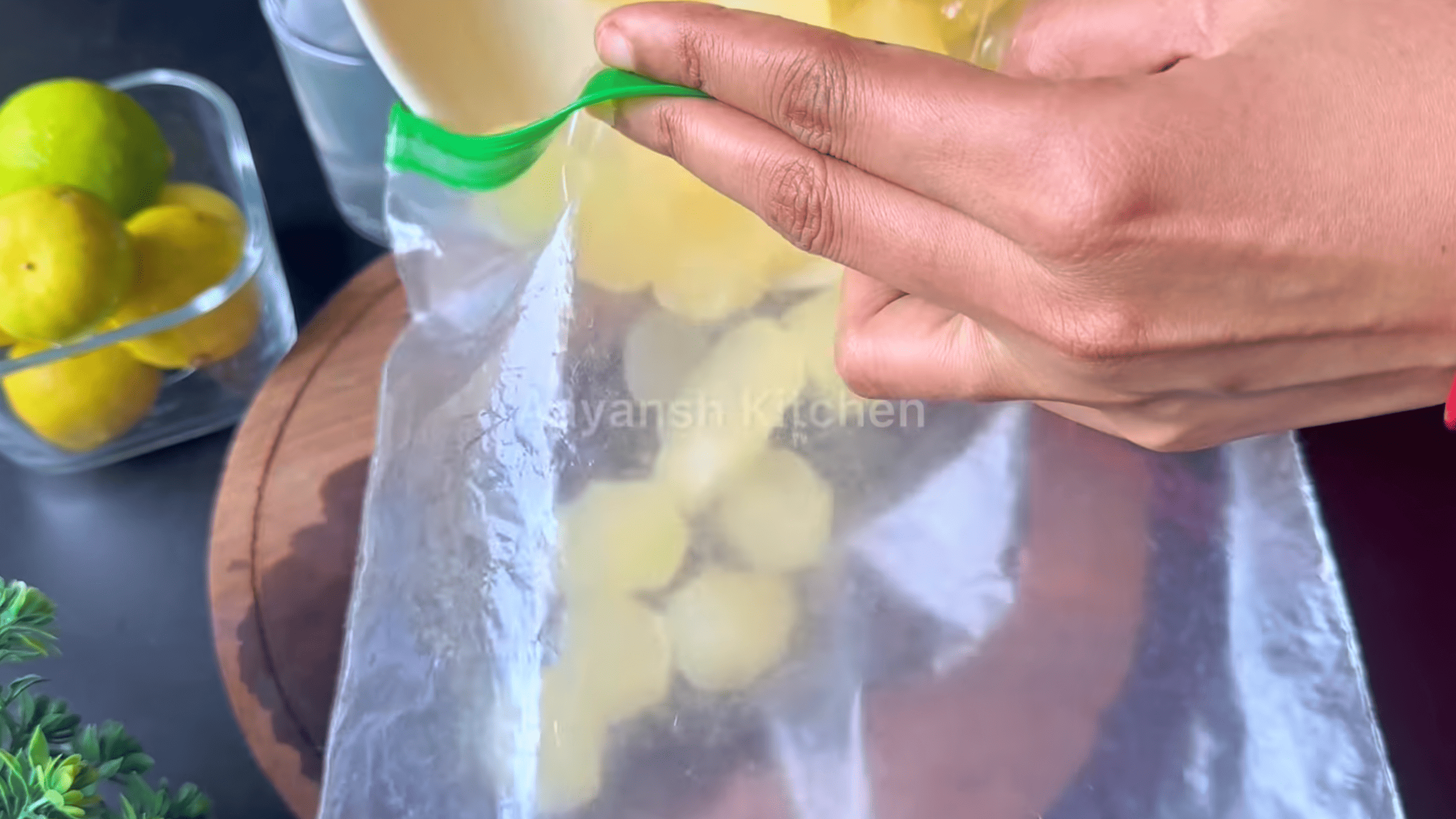
Freezing: Squeeze out any excess air from the bag, seal it tightly, and return it to the freezer immediately.
How to Use Frozen Lemon Juice Cubes Daily
You do not need to wait hours for frozen lemon cubes to thaw before using them in your daily routine. They melt quickly when exposed to heat or mixed into liquids:
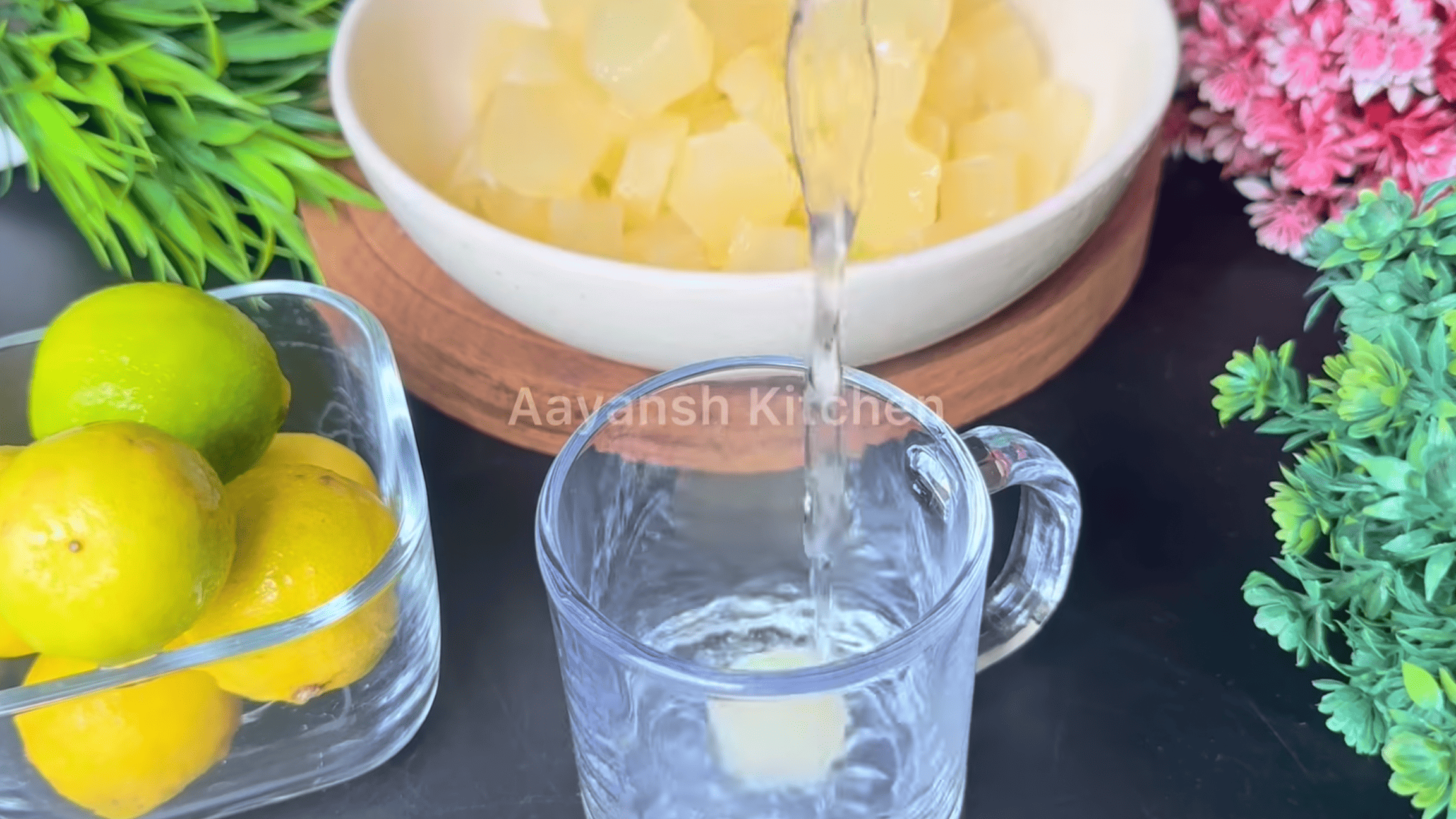
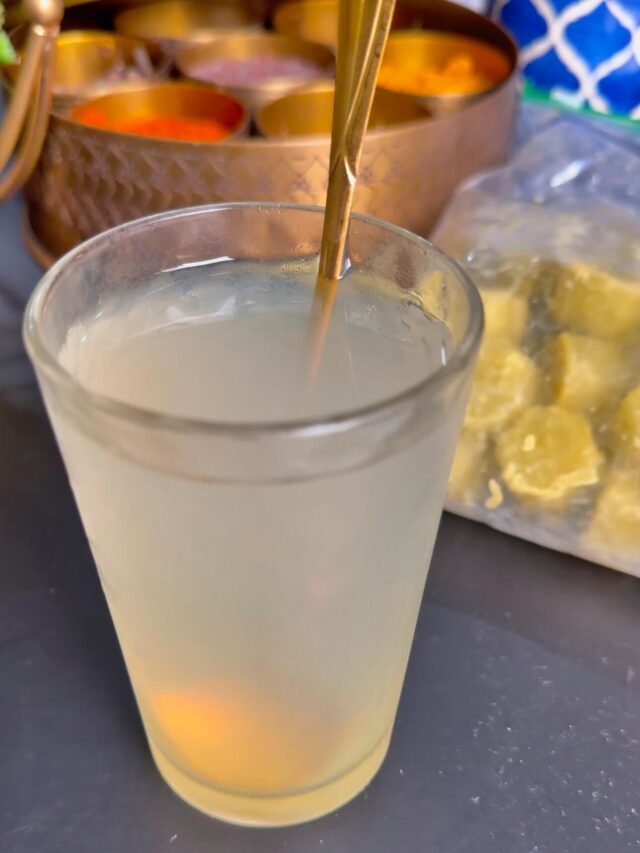
- Morning Detox Lemon Water: Drop 1 frozen cube into a glass of warm water. Stir for 10 to 15 seconds until the cube completely dissolves. You instantly get a refreshing, gut-healthy morning beverage without slicing or squeezing fruit every morning.
- Cooking & Baking: Drop a cube directly into boiling curries, gravies, marinades, or pasta sauces during the last few minutes of cooking. One standard cube equals approximately 1 teaspoon of raw lemon juice.
- Beverages & Iced Teas: Toss a couple of cubes directly into iced tea, mocktails, or fruit juices to add a cool chill and a burst of real citrus flavor without diluting your drink with regular ice.
Zero-Waste Kitchen: Clever Ways to Repurpose Leftover Lemon Peels
In a zero-waste kitchen, the juicing process doesn’t end when the liquid is extracted. Lemon rinds and peels are packed with essential oils, fragrant zest, and beneficial nutrients. Rather than throwing them away, try these easy repurposing ideas:
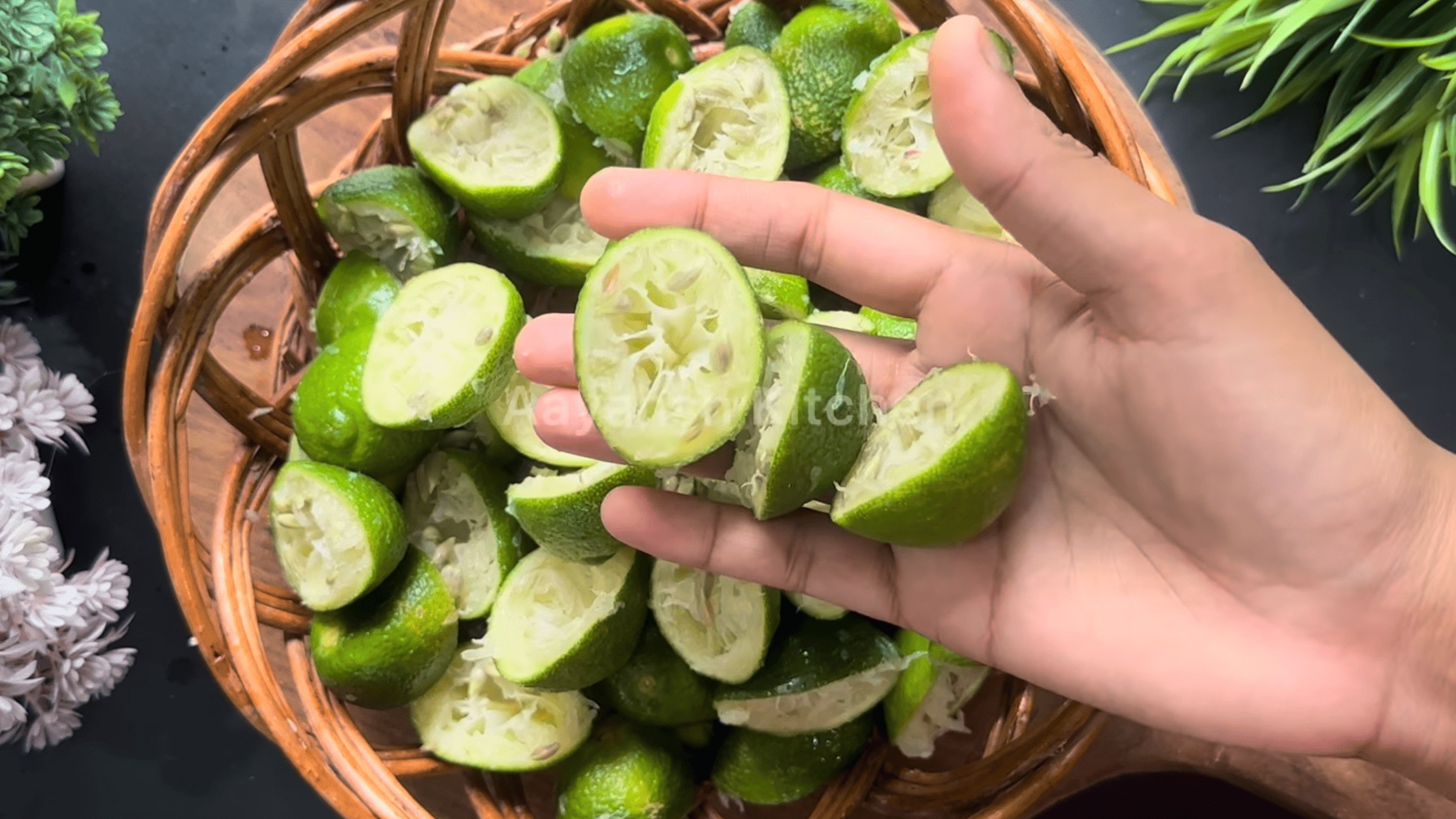
1. Homemade Citrus Peel Powder
- Dry the Peels: Cut the squeezed peels into thin strips and dry them under direct sunlight or in a food dehydrator/oven at low heat until they are completely crisp and moisture-free.
- Grind: Blend the dried rinds into a fine powder using a dry grinder.
- Uses:
- Culinary: Add a pinch to spice rubs, baking batters, tea blends, or salad dressings for an intense citrus flavor.
- Gardening: Mix lemon peel powder into garden soil around acid-loving plants (like tomatoes, roses, and blueberries) to balance pH levels and deter household garden pests naturally.
2. Traditional Lemon Peel Pickles
You can ferment or marinate the squeezed lemon hulls with mustard oil, salt, chili powder, and carom seeds to prepare delicious, digestive-friendly Indian-style lemon pickles.
Nutritional Value
The juice of one medium lemon (about 48 grams or 2 tablespoons of freshly squeezed juice) contains the following nutritional breakdown according to USDA data:
Core Nutrient Profile
| Nutrient | Amount | % Daily Value (DV) |
| Calories | 11 kcal | — |
| Carbohydrates | 3.3 g | 1% |
| Sugars | 1.2 g | — |
| Dietary Fiber | 0.1 g | < 1% |
| Protein | 0.2 g | < 1% |
| Fat | 0.1 g | 0% |
| Water | 44.1 g | — |
Key Vitamins & Minerals
- Vitamin C: ~18.6 mg (21% DV) — The main active micronutrient, acting as a potent antioxidant and aiding immune function.
- Folate (Vitamin B9): ~9.6 mcg (2% DV)
- Potassium: ~49 mg (1% DV) — Helps support heart function and fluid balance.
- Vitamin B6: ~0.02 mg (1% DV)
Key Health Benefits & Compounds
Iron Absorption: The high Vitamin C content helps enhance the absorption of non-heme (plant-based) iron when paired with foods like spinach, lentils, or beans.
Citric Acid: Lemon juice is rich in citric acid, which can help prevent kidney stones by increasing urinary pH and citrate levels.
Flavonoids: Contains citrus polyphenol antioxidants like hesperidin and naringenin, which help combat oxidative stress.
Frequently Asked Questions (FAQ)
Why is it critical to avoid any contact with water during processing?
Water introduces unwanted moisture and ambient wild yeasts/bacteria. Excess moisture leads to ice crystal formation, freezer burn, loss of flavor concentration, and eventual spoilage or mold when stored long-term. Keeping all tools completely dry ensures the pure citric acid acts as its own natural preservative.
Do I need to add water or sugar before freezing the juice?
No. Pour 100% pure, undiluted lemon juice into the trays. Adding water dilutes the natural flavor strength, while adding sugar limits how you can use the cubes in savory recipes later.
Do I need to thaw the cubes before cooking?
Not at all. For warm dishes, soups, teas, or warm lemon water, drop the frozen cube directly into the liquid. It will melt within seconds. If you need liquid juice for salad dressings or baking batters, leave a cube in a small bowl at room temperature for 5 to 10 minutes.
How long do frozen lemon juice cubes last?
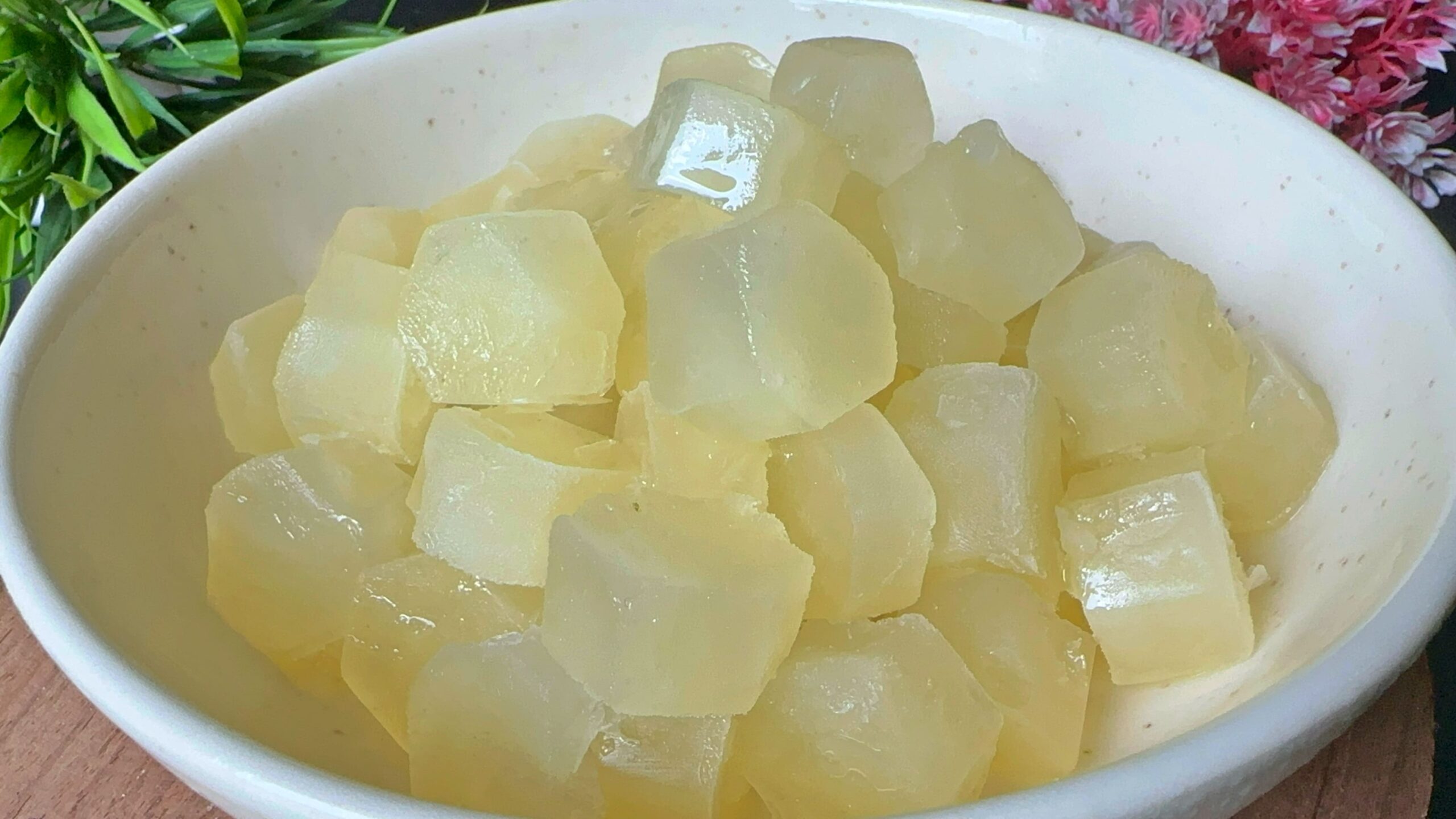
When kept in a sealed Zip lock bag or airtight container at a steady freezer temperature, the cubes retain optimal flavor, aroma, and acidity for up to 12 months (1 year).
Recipe Card
Store Fresh Lemon Juice

Ingredients
- 50 Fresh Lemons Use as many lemons as you want
Instructions
- Wash your fresh lemons thoroughly under running tap water to remove any surface dirt, wax, or debris.
- This is a very Critical step to prevent dilution or spoilage.
- Pat each lemon completely dry using a clean kitchen towel or paper towel. Leave them on the counter for a few minutes to ensure no moisture remains on the outer rind.
- Cut the lemons cleanly into halves using a dry knife and dry cutting board.
- Place a fine-mesh dry strainer over a completely dry glass bowl or stainless steel vessel. Squeeze the lemon halves using a manual citrus juicer or your hands, letting the strainer catch all the seeds and pulp chunks.
- Continue squeezing all lemon halves in the same manner until all juice is collected in the bowl.
- Carefully pour the strained fresh lemon juice directly into clean, dry silicone or plastic ice cube trays.
- Place the tray on a level surface inside your freezer and let it sit undisturbed overnight (or for at least 8 to 10 hours) until the cubes are fully solid.
- Once the lemon juice cubes are completely frozen and set, gently pop them out of the ice tray.
- Immediately transfer the frozen cubes into an airtight freezer-safe container or a heavy-duty Ziploc freezer bag.
- Squeeze out any excess air from the freezer bag, seal it tightly, and return it to the freezer immediately for long-term storage.
- For serving, Drop 1 frozen cube into a glass of warm water and stir for 10 to 15 seconds until completely dissolved for an instant, gut-healthy morning drink.
Video
Notes
- Moisture Control is Key: Make sure the lemons, cutting board, knife, strainer, and trays are completely dry before starting. Excess moisture on the outside can dilute the juice or encourage freezer burn.
- Standard Portioning: A standard ice cube tray slot holds about 2 tablespoons (30 ml) of juice, which is roughly the amount from a fresh lemon. This makes measuring easy for recipes or morning drinks.
- Storage Life: Once transferred into an airtight freezer bag with all the air squeezed out, these lemon juice cubes will stay fresh in the freezer for up to 6 months without losing flavor.
- Variations: You can toss in a few fresh mint leaves or a thin slice of ginger into each ice cube tray section before pouring the juice for an extra boost in your morning detox water.